
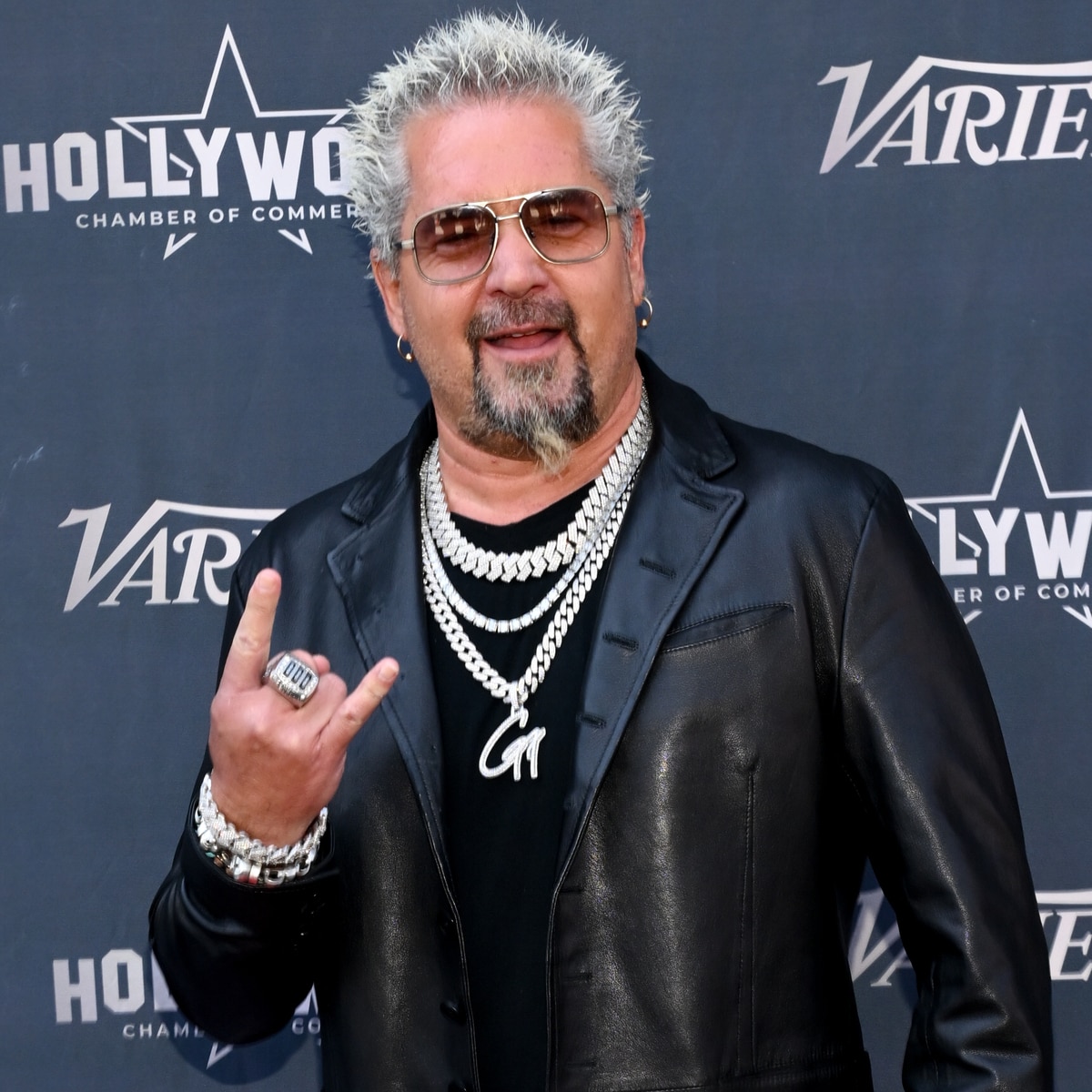
A celebrity hair switch-up rarely stays quiet — and Guy Fieri’s recent “new look”, shared to mark his 58th birthday, is a timely reminder of how powerful a simple refresh can be. While the headlines focus on the “unrecognisable” moment, the more interesting story for hair lovers is what a polished makeover can signal: a change in grooming priorities, a shift in personal style, or simply the benefits of a well-executed cut and finish.
For UK readers, it also taps into a broader salon-room conversation: when a familiar signature look softens or sharpens, it often comes down to technique rather than anything dramatic. In many cases, the difference is in the details — the perimeter, the blend, the styling direction, and the level of shine.
Why a “new look” can feel so dramatic (even when the change is subtle)
When someone is strongly associated with a signature hairstyle, small adjustments read as major. A tidier silhouette, a cleaner neckline, or a more controlled finish can change how the face is framed — and therefore how “recognisable” a person feels on camera.
Stylists often point out that a makeover effect is frequently created by a combination of:
- Shape refinement: tightening the outline and removing bulk to create a cleaner profile.
- More intentional blending: smoothing visible weight lines so hair photographs more seamlessly.
- Finish and sheen: a polished blow-dry, a controlled set, or a shine-enhancing product can instantly look “new”.
- Grooming upgrades: beard/sideburn clean-up (if applicable) and tidier detailing around the ears.
This is why a birthday refresh — a moment when people are already looking for a “reset” — can land as a headline. It isn’t necessarily a reinvention; it’s often a recalibration.
The haircut and finish factors: what creates a “polished makeover” look
In editorial and red-carpet hair, polish tends to come from discipline in the routine and precision in the cut. Even for deliberately textured styles, polish doesn’t mean flat or overly “done”; it means the hair appears intentional.
In salon terms, a polished finish is usually built from:
- Clean sectioning and directional styling: hair set to fall a certain way, rather than left to choose its own pattern.
- Heat used with restraint: enough to smooth and shape, not so much that hair looks stiff or stressed.
- Product placement: a small amount applied strategically (mid-lengths to ends for shine; roots only if volume is needed).
- A purposeful texture choice: either defined and sleek, or intentionally matte and piecey — mixing both can look messy on camera.
Many UK stylists will also tell you the camera amplifies everything: flyaways, uneven weight distribution, and inconsistency in texture. That’s why “polished” often reads as “new”, even if the underlying cut hasn’t changed dramatically.
AI hair makeovers and celebrity style: what to take (and what to ignore)
The original story framing references an AI birthday hair makeover. AI-led style experiments are increasingly common in entertainment coverage and social media, because they quickly generate a “before/after” moment people understand instantly.
But from a professional hair perspective, it’s worth keeping expectations realistic. AI imagery can smooth away natural texture, exaggerate density, and create lighting conditions that don’t reflect day-to-day hair behaviour. It can be helpful for inspiration — showing a direction (sleeker, more textured, more classic, more modern) — but it’s not a reliable diagnosis of what will suit your hair type or how your hair will respond to a certain cut.
If you want to use AI as a tool without being misled, treat it like a mood board rather than a promise. Bring your favourite reference images to a stylist, and ask what would need to change in your cut, styling routine, and maintenance schedule to get close to the look in real life.
How to get your own “birthday refresh” without a full reinvention
The most wearable take-away from this kind of celebrity makeover moment is that you don’t need a drastic chop to look refreshed. A few targeted updates can deliver that “new look” energy while staying true to your personal style.
- Book a shape-up, not just a trim: ask your stylist to refine the silhouette and remove heaviness where it builds up.
- Ask for camera-friendly finishing tips: a stylist can show you how to direct the hair so it falls consistently.
- Upgrade shine thoughtfully: consider a lightweight serum or conditioning treatment if hair looks dull in winter lighting.
- Check the neckline and around the ears: tiny detailing can make a style look instantly more groomed.
- Take one clear reference image: the quickest way to avoid miscommunication is a single, specific visual goal.
Practical next step: if you’re due a cut, take a recent selfie in natural daylight, then book a consultation and ask your stylist what one change would make you look most “refreshed” — shape, texture, or finish.
Key Takeaways
- A “new look” often comes from subtle refinements: shape, blend, and a cleaner finish can read as a big transformation.
- Polished hair is usually about discipline and technique — consistent direction, controlled texture, and strategic product use.
- AI hair makeovers can be useful for inspiration, but they can misrepresent texture, density, and real-world styling effort.
- A birthday refresh doesn’t have to be drastic: perimeter clean-up, bulk removal, and shine can deliver immediate impact.
- Your best move is a short consultation with a clear reference image and an honest conversation about maintenance.
Frequently Asked Questions
Is a “polished makeover” just a different haircut?
Not always. Many makeover moments are created by finishing choices: how the hair is dried, smoothed, or textured, plus the level of shine and the precision around the edges.
How do I ask for a refresh without losing my signature style?
Tell your stylist you want to keep your overall identity but refine the shape. Ask for subtle improvements: cleaner edges, better blending, or lighter bulk in specific areas.
Do AI hairstyle filters show what will actually suit me?
They can indicate a general direction, but they often idealise hair density and smoothness. It’s best to use them as inspiration and then confirm what’s realistic for your hair type in a consultation.
What’s the easiest at-home change for a more “polished” look?
Consistency. Use a controlled drying direction, keep product amounts small, and focus on smoothing flyaways or defining texture in one deliberate way rather than doing everything at once.
How often should I get a tidy-up if I want a consistently groomed style?
Many stylists recommend booking maintenance based on how fast your shape grows out — often every few weeks for sharper outlines, and a bit longer for softer styles. Your stylist can tailor this to your cut and growth pattern.
Explore More: Discover related reads from Hairporium — News • Guides • DIYs • Expert Articles.
Stay Updated: Read more UK hair industry news and innovations on Hairporium News.


More in Hair news
A reported Kurdish women’s hair-braiding campaign shows how braids can carry cultural and politic...
The 1950s hair trend is surging again—driven by celebrity takes that make vintage volume feel fre...
Gypsy-Rose Blanchard’s “no wig today” post drew major attention — and it’s a reminder that natura...
The ‘401k mullet’ reframes the mullet as smart, modern and wearable—clean sides and fringe with t...
Coronation Street star Charlotte Jordan’s bold hair chop is turning heads. We break down what it ...
A school hair-policy controversy in Trinidad and Tobago is sparking wider debate about fairness, ...
Howard Webb’s Mic’d Up explanation of Michael Keane’s red card spotlights why hair pulling is tre...
From celebrity inspiration to salon-friendly technique, the bevelled bob is poised to be 2026’s s...
Leslie Bibb’s latest hair transformation spotlights the modern crop’s versatility—showing how par...
A resurfaced F1 archive clip has prompted fresh discussion about Adrian Newey’s earlier “hair era...
View all hair news