

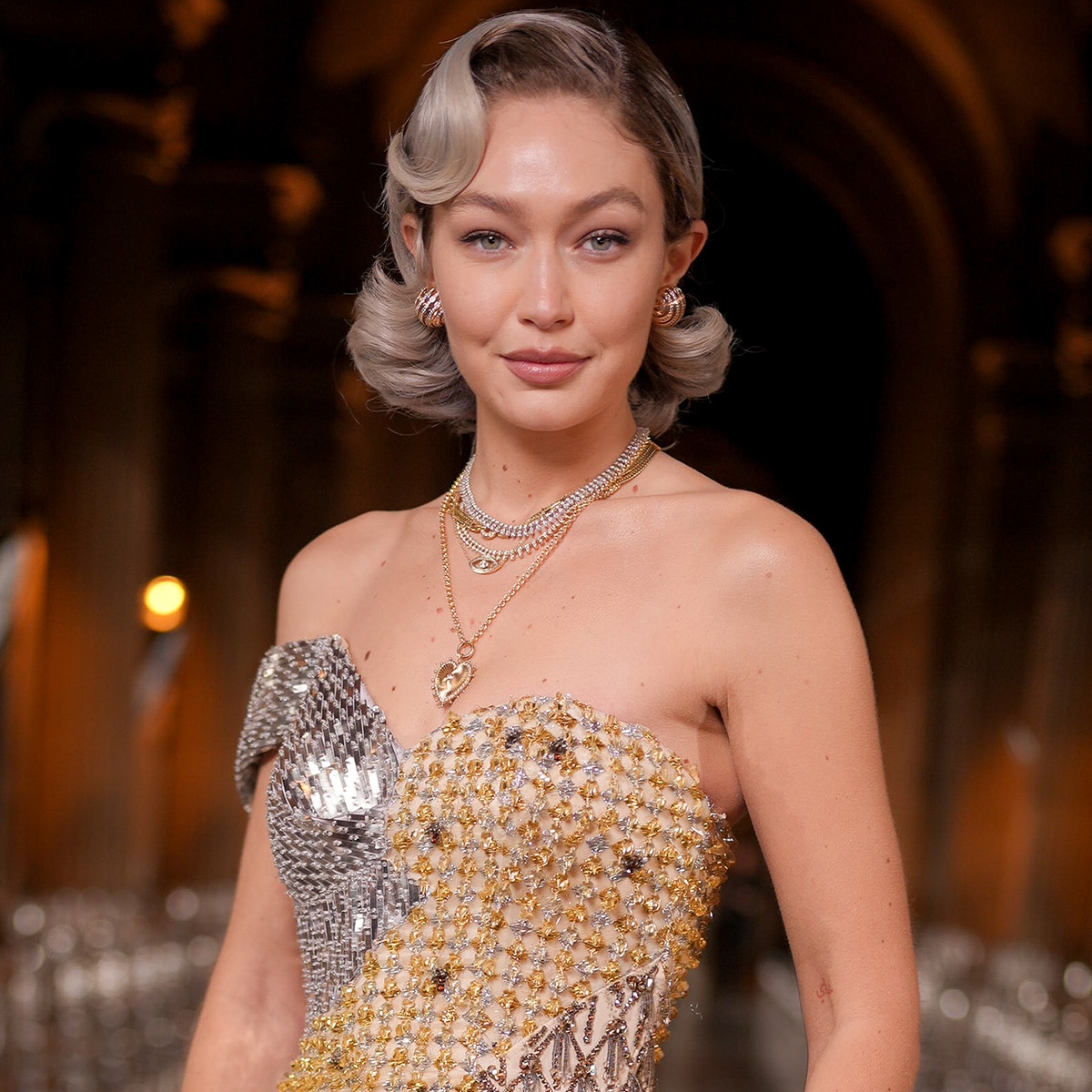
When a globally recognised blonde like Gigi Hadid turns up with a short, inky bob, it lands as more than a celebrity vanity switch-up—it’s a cultural hair moment. According to E! News, Hadid has “ditched her signature blonde hair” in favour of a dark bob, marking her most dramatic colour shift in recent memory. For UK salons and clients alike, it’s a timely reminder that a bob isn’t just a haircut; paired with a deep, near-black shade it becomes a statement in contrast, shine, and precision.
Wearable? Absolutely. Low-maintenance? Not always. Dark colour plus a short cut can look effortless, but it’s also a combination that tends to spotlight condition, line, and grow-out. The good news is that with the right approach—consultation, realistic maintenance planning, and a few technique-led tweaks—this look can translate beautifully across hair types and lifestyles.
Why the “inky bob” is resonating right now
In fashion and beauty, the pendulum has swung back towards sharper silhouettes and higher-gloss finishes—think clean tailoring, minimal jewellery, and “expensive” hair that reads polished from across the room. A short, dark bob sits neatly in that world. It’s bold without being loud, and it photographs brilliantly because dark shades emphasise reflectivity and shape.
From a UK perspective, it also makes sense seasonally. In winter, many people naturally ease off heavy lightening services, giving hair a break from frequent bleaching and toner cycles. A darker colour refresh can feel like a reset—particularly if your ends are feeling fragile after summer lightening or festive heat-styling.
What to ask for in the salon: cut, colour, and finish
It’s tempting to show one photo and say “this, please”—but bobs are deceptively technical. Small differences in length, graduation, and perimeter weight can change the entire vibe, especially in darker shades.
Many UK stylists will start by clarifying three essentials:
- Length: Is it jaw-grazing, chin-length, or longer (a “lob”)? Shorter can feel more fashion-forward but grows out faster.
- Edge: Do you prefer blunt and graphic, or softly textured? Dark, blunt bobs can look particularly striking, but texture can help if your hair is thick or expands with humidity.
- Parting and fringe choice: A centre part feels modern; a side part can add volume. A curtain fringe can soften a strong bob line.
For colour, the key question is whether you want true black or a softer “near-black” (often described as espresso, blue-black, or deepest brown). On many complexions, a softer black-brown reads just as dramatic but can be more forgiving as it fades.
Finishing matters too. A dark bob tends to look best with:
- a smooth blow-dry with tension at the roots and a controlled bend at the ends
- a shine-enhancing serum used sparingly (too much can make dark hair look greasy)
- heat protection every time you use hot tools, because heat-damaged dark hair can lose its reflective “ink” effect
Is going from blonde to black a good idea? Practical UK considerations
Hadid’s transformation will undoubtedly inspire blondes to consider a darker chapter. But in salon reality, “blonde to black” is more complex than it looks on Instagram.
Here’s why colourists tend to be cautious:
- Filling is often needed: Lightened hair may require warmer pigments added back in first (a “fill”) so the end result doesn’t turn flat, khaki, or overly ashy.
- Porosity affects fade: Previously bleached lengths can grab dye quickly, then fade unevenly—especially around the mid-lengths and ends.
- Black is hard to lift out: If you change your mind, returning to blonde usually takes time, money, and careful damage management.
Many UK salons will recommend a staged approach: begin with a rich brunette gloss or demi-permanent colour, live with it for a few weeks, then commit to deeper tones if you still love it. It’s also sensible to book a consultation first—particularly if your hair is highlighted, balayaged, or chemically treated.
Real-world next step: If you’re tempted by Hadid’s look, screenshot two or three reference photos (front, side, and back if possible) and book a 15-minute consultation to discuss cut shape and colour maintenance before you commit.
How to maintain a dark bob so it stays glossy and sharp
Dark hair can be wonderfully dramatic, but it’s also less forgiving: dryness, split ends, and product build-up can show up as dullness. And because bobs sit right at the jaw/neck area, friction from scarves, coat collars, and gym hoodies can rough up the cuticle.
To keep a dark bob looking fresh between appointments, many stylists recommend:
- Regular micro-trims: every 6–8 weeks to maintain that crisp perimeter.
- Colour-safe cleansing: a gentler shampoo routine and avoiding very hot water, which can accelerate fade.
- Weekly conditioning: a mask or bond-supporting treatment if your hair was previously lightened.
- Clarifying occasionally: once every few weeks (depending on your styling routine) to remove build-up and bring back shine—follow with a rich conditioner.
- Heat strategy: lower tool temperatures and fewer passes; dark hair can look “cooked” quickly if over-ironed.
If you’re embracing a near-black shade, consider a salon gloss/top-up service between full colours. It can revive depth and shine without unnecessarily over-processing hair.
Key Takeaways
- Gigi Hadid’s dark bob spotlights a wider shift towards sleek, high-gloss, precision cuts that translate well in UK salons.
- A dark bob is defined by its perimeter and shine—meaning the cut technique and hair condition matter as much as the colour.
- Going from blonde to black often requires “filling” and careful planning to avoid uneven fade, especially on porous, lightened hair.
- Maintenance is crucial: micro-trims, colour-friendly washing, and regular conditioning help a bob stay sharp and reflective.
- The most practical first step is a consultation with reference photos to agree on the right length, tone (black vs near-black), and upkeep schedule.
Frequently Asked Questions
Is a black bob suitable for all skin tones?
Often, yes—but the most flattering result depends on the undertone of the “black” (blue-black, neutral, or soft black-brown) and how it’s placed around the face. A colourist can tailor the depth so it complements your complexion rather than overpowering it.
Will my hair look thinner with a bob?
Not necessarily. A blunt bob can make fine hair appear denser by keeping weight at the ends. If your hair is very thick, subtle internal layering may help prevent a triangular shape.
How do I avoid a dark colour fading quickly?
Use colour-protecting products, wash in cooler water, reduce heat styling, and consider a periodic salon gloss. Previously bleached hair may fade faster due to higher porosity.
Can I go from blonde to black in one appointment?
Sometimes, but many colourists prefer a step-by-step approach—often including a “fill”—to keep the tone rich and even. Your hair’s history (highlights, bleach, home dye) will influence what’s realistic in one visit.
How often should I trim a bob?
Most people find 6–8 weeks keeps the shape crisp. If you’re wearing it very short or very blunt, you may prefer closer to 4–6 weeks.
Explore More: Discover related reads from Hairporium — News • Guides • DIYs • Expert Articles.
Stay Updated: Read more UK hair industry news and innovations on Hairporium News.


More in Hair news
Sky Sports’ Ref Watch explains a red card for hair pulling — and it raises a wider conversation a...
A rare case report linking red tattoo ink to widespread hair loss has reignited debate about tatt...
Self-employed stylist Emma Dibb is set to open Luna Hair Lounge on Blackwell Road, Carlisle, on 2...
Gigi Hadid’s brunette switch is sparking fresh interest in blonde-to-dark transformations. We unp...
Gigi Hadid’s bold hair transformation is setting the tone for 2026. We break down what it signals...
Fringes are set to headline 2026 hair. Here are six expert-backed fringe trends—plus how to choos...
A Premier League incident involving hair pulling has sparked debate on discipline and safety—plus...
Amanda Seyfried’s Golden Eve hair nods to Hailey Bieber’s 2022 Grammys vibe: a deliberately undon...
A half-term Rapunzel show brings hair culture into the spotlight—plus practical, low-tension styl...
Tom Smith has opened a new luxury salon in Bloomsbury. Here’s what the launch signals for UK prem...
View all hair news