

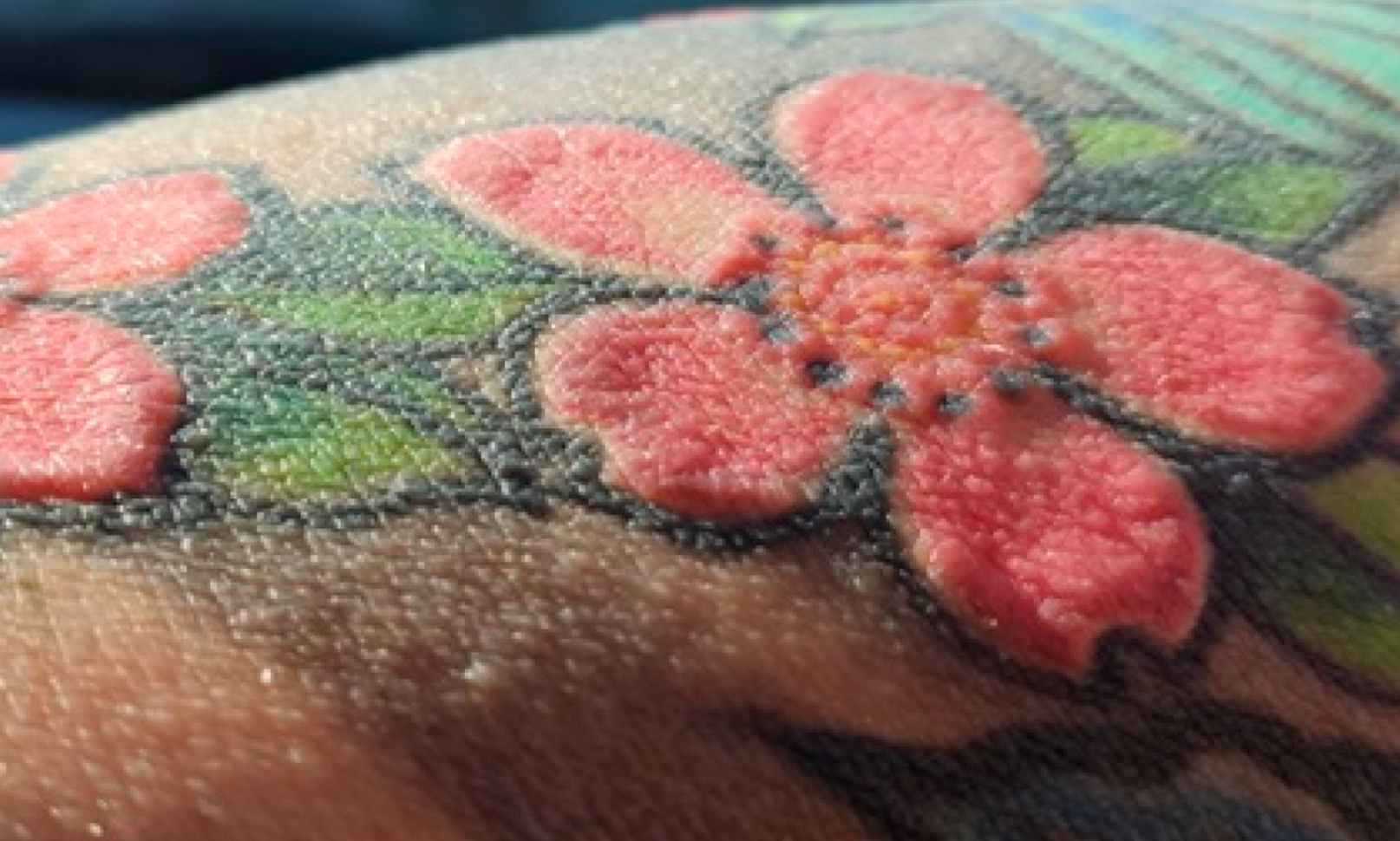
A striking new medical case report has raised fresh questions about how the body can react to tattoo pigments. According to coverage in The Independent, a man experienced widespread hair loss and stopped sweating after receiving a tattoo containing red ink—an extreme and unusual response that sits at the far end of a spectrum of tattoo-related complications. While most tattoo side effects are mild and localised (think short-lived irritation or itching), this report has renewed attention on allergic and inflammatory reactions that can, in rare cases, affect more than just the skin at the tattoo site.
For Hairporium readers, the headline naturally lands close to home: sudden hair shedding is distressing, and any suggestion it could be triggered by an external exposure can feel alarming. The most helpful way to interpret this story is with calm proportion: this is a single case study, not evidence that tattoos commonly cause hair loss. However, it does underline an important point many dermatologists and clinicians often repeat—your skin is an immune organ, and introducing pigments (especially certain reds) can occasionally provoke unexpected responses.
Below, we unpack what the report suggests, why red ink is frequently mentioned in tattoo-allergy discussions, and what practical steps you can take if you’re planning a tattoo or noticing unusual changes in hair or sweating afterwards.
What the case report highlights (and why it made headlines)
The Independent article describes concerns about tattoo complications ranging from mild irritation to severe allergic reactions, centred on a man who lost all his hair and reportedly stopped sweating following a tattoo. The report also referenced visible skin changes within the red-ink area, which is often where tattoo reactions are most pronounced.
There are two reasons this has generated so much attention:
- The symptoms were systemic (affecting the whole body) rather than limited to the skin immediately around the tattoo.
- The symptoms were unusual for a routine tattoo reaction—complete hair loss and disrupted sweating are not typical outcomes.
It’s important to hold the right level of certainty here. Case reports are valuable because they document rare events and can prompt further research, but they can’t prove cause-and-effect on their own. Many factors can contribute to sudden hair loss—stress, illness, immune changes, and medications among them. Clinicians use case literature as a signal to investigate, not as a standalone verdict.
Real-world next step: If you notice sudden, extensive hair shedding or patchy hair loss after any major skin reaction (tattoo-related or otherwise), book an appointment with your GP or a dermatologist. Bring dates, photos, and details of inks used if you have them—clear timelines help professionals assess potential triggers.
Why red tattoo ink is often implicated in reactions
Across dermatology literature and common clinical observation, red tattoo pigments are frequently associated with allergic-type reactions and chronic inflammation in the tattooed area. That doesn’t mean red ink is “unsafe by default”, but it is routinely discussed because:
- Red pigments can contain compounds more likely to trigger sensitivities in some people, leading to itchiness, swelling, or raised, persistently inflamed sections of tattoo.
- Reactions may be delayed, appearing weeks, months, or even longer after the tattoo, which can confuse the picture.
- Symptoms can mimic other skin conditions (eczema, contact dermatitis, granulomatous reactions), making diagnosis more complex.
From a hair perspective, the key link is not that ink “targets” hair follicles, but that significant immune activation or inflammation in the body can sometimes coincide with hair shedding. Many stylists will have seen clients experience increased shed after a stressful event or a period of illness; similarly, dermatologists often discuss how inflammatory or immune shifts may correlate with certain forms of hair loss in susceptible individuals.
That said, sweeping hair loss (including eyebrows or body hair) tends to be clinically distinct from day-to-day shedding. If a person experiences complete or rapid hair loss, it warrants medical assessment rather than assumption.
Hair loss after a tattoo: what to do (without panic)
If you’ve had a tattoo and you’re noticing hair changes, keep the response practical and evidence-aware. It’s easy to spiral when you see extra hair in the shower, but a measured approach is more useful than guesswork.
Start with observation and documentation
- Track timing: When did the tattoo happen? When did the shedding start? Was there itching, swelling, or a rash?
- Note distribution: Is the hair loss patchy, diffuse thinning, or affecting brows/beard/body hair?
- Record other symptoms: fatigue, fever, skin changes, or any change in sweating patterns.
Check what “normal” healing looks like
Some local redness, mild swelling, and itching can be part of normal healing in the first days. Persistent raised areas, intense itch, spreading redness, weeping, or heat at the site can suggest a reaction or infection and should be reviewed promptly.
Get the right professional support
- GP or pharmacist: A sensible first port of call if you’re unsure whether your symptoms are normal healing or something more.
- Dermatologist: Particularly if there is persistent rash, widespread symptoms, patchy hair loss, or any change in sweating/heat tolerance.
- Your tattoo artist: Helpful for aftercare guidance and ink information, but not a substitute for medical advice when symptoms are severe or systemic.
Protect hair and scalp while you investigate
Even if the trigger isn’t clear yet, gentle haircare reduces breakage and cosmetic shedding (which can add to the impression of “hair loss”). Many UK stylists recommend:
- Switching to a low-tension routine (no tight slick-backs or heavy extensions while hair feels fragile).
- Using lukewarm water and avoiding aggressive scalp scrubbing.
- Keeping heat styling minimal and using a heat protectant.
These steps won’t “treat” medical hair loss, but they can prevent avoidable damage and help you see the true pattern of shedding.
Tattoo aftercare and risk reduction: smart habits before your next appointment
If this story has made you rethink an upcoming tattoo—especially one with red pigment—there are grounded, practical measures that can reduce risk and speed up support if something does go wrong.
- Choose a reputable studio that follows strong hygiene, has clear aftercare instructions, and can provide information on inks used.
- Ask about pigments (particularly if you’ve had reactions to cosmetics, metals, or hair dye in the past). You’re not being difficult; you’re being informed.
- Don’t ignore persistent itch or raised areas beyond typical healing time—ongoing symptoms deserve professional assessment.
- Avoid “over-treating” the tattoo: too many products can irritate healing skin. Stick to professional aftercare guidance and introduce new products slowly.
- Know your baseline: taking a quick photo of your hairline/parting before major changes (new tattoo, big bleach appointment, stressful work period) can help you notice real change rather than anxiety-led assumptions.
For many readers, the most practical next step is simply this: if you’re booking a tattoo soon, keep your aftercare notes and ink details (colours and brand) somewhere accessible. If you ever need help, those details can speed up the conversation with a clinician.
Key Takeaways
- One reported case linked a red-ink tattoo with extreme symptoms including widespread hair loss and stopping sweating—an unusual reaction, not a common outcome.
- Red tattoo pigments are often discussed in allergy and inflammation reports, but a single case does not prove red ink causes hair loss.
- If you experience sudden, patchy, or extensive hair loss after a tattoo—especially alongside rash or systemic symptoms—seek medical advice promptly.
- Document dates, symptoms, photos, and ink details; a clear timeline helps clinicians assess potential triggers.
- While investigating, keep haircare gentle (low tension, minimal heat, kind cleansing) to reduce breakage and avoid confusing shedding with damage.
Frequently Asked Questions
Can a tattoo really cause hair loss?
Most people with tattoos do not experience hair loss. Rarely, if a tattoo triggers a significant inflammatory or allergic response, hair shedding could coincide with broader immune stress. Any sudden or extensive hair loss should be assessed by a healthcare professional.
Why is red ink mentioned so often with tattoo reactions?
Red pigments are frequently reported in tattoo-allergy discussions because they can be associated with persistent itching or raised inflammatory reactions in some individuals. This varies by person and pigment composition, and many people tolerate red ink without issues.
Is shedding after a stressful event the same as medical hair loss?
Not always. Increased shedding can occur after stress or illness, but patchy bald spots, very rapid loss, or loss affecting eyebrows/body hair can indicate different processes and should be evaluated.
What signs suggest a tattoo reaction rather than normal healing?
Worsening redness, heat, swelling, weeping, intense itch, raised lumps, or symptoms that persist beyond typical healing time are reasons to seek advice. If you feel unwell or notice widespread symptoms, seek medical support urgently.
Should I avoid tattoos if I have sensitive skin?
Sensitive skin doesn’t automatically mean you can’t get tattooed, but it does mean you should choose a highly reputable studio, discuss your history, follow aftercare closely, and seek professional advice early if you react.
What information should I keep from my tattoo appointment?
Ask for details of the inks used (brand and colours), your aftercare guidance, and the date of tattooing. If you ever need to speak to a clinician, these specifics can be helpful.
Explore More: Discover related reads from Hairporium — News • Guides • DIYs • Expert Articles.
Stay Updated: Read more UK hair industry news and innovations on Hairporium News.


More in Hair news
Millie Bobby Brown starts 2026 with a sharp chop, trading mermaid-red lengths for a short, dark l...
Sky Sports’ Ref Watch explains a red card for hair pulling — and it raises a wider conversation a...
Self-employed stylist Emma Dibb is set to open Luna Hair Lounge on Blackwell Road, Carlisle, on 2...
Gigi Hadid’s brunette switch is sparking fresh interest in blonde-to-dark transformations. We unp...
Gigi Hadid’s switch from blonde to an inky black bob is a crisp reminder that dark, short hair is...
Gigi Hadid’s bold hair transformation is setting the tone for 2026. We break down what it signals...
Fringes are set to headline 2026 hair. Here are six expert-backed fringe trends—plus how to choos...
A Premier League incident involving hair pulling has sparked debate on discipline and safety—plus...
Amanda Seyfried’s Golden Eve hair nods to Hailey Bieber’s 2022 Grammys vibe: a deliberately undon...
A half-term Rapunzel show brings hair culture into the spotlight—plus practical, low-tension styl...
View all hair news