

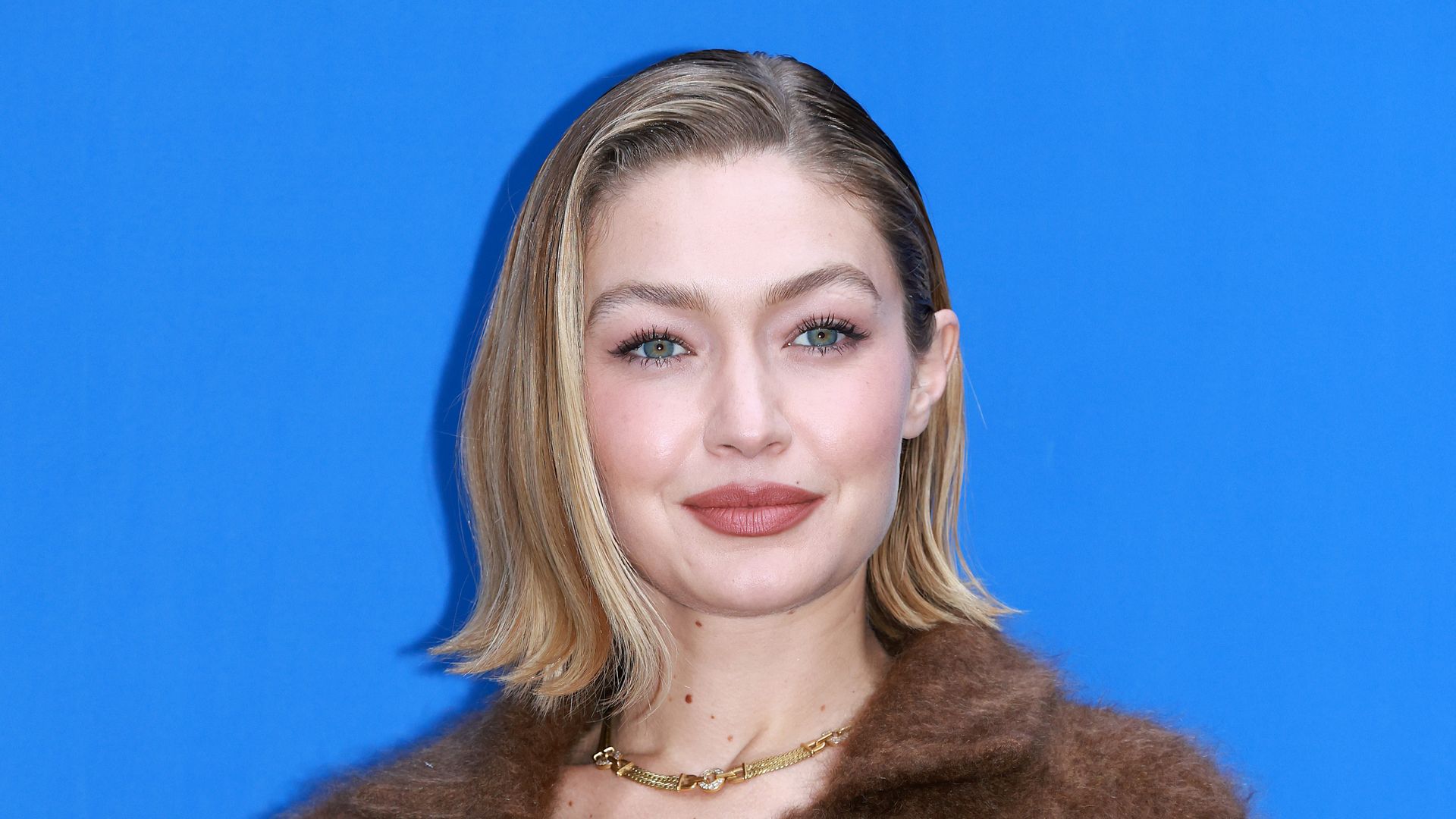
Celebrity hair transformations have always shaped what people ask for in the salon, but when someone with Gigi Hadid’s influence unveils a notably bolder look, it tends to ripple quickly into everyday beauty conversations. According to HELLO!, the model has revealed her boldest hair change yet—an update that sits squarely within a wider 2026 mood: higher-impact colour, more deliberate texture, and styling that looks polished while still feeling personal.
While the internet loves a before-and-after moment, professional stylists are typically more interested in the “how”: what kind of colour service might be involved, what maintenance would realistically look like in the UK climate and water conditions, and how to protect hair quality if you’re tempted to follow suit. If you’re considering a dramatic shift of your own, the most useful next step is to take a clear photo of your current hair in natural daylight and book a consultation—so you can discuss goals, budget, timing and hair integrity before anyone picks up a brush.
Why bold celebrity hair changes still matter (and how trends travel)
When a high-profile figure switches up their hair in a noticeable way—whether that’s a dramatic cut, a striking colour shift or a new styling direction—it often becomes a reference image that clients bring into salons. In the UK, that “celebrity-to-salon” pipeline is especially strong around the new-year reset, fashion-week moments, and after major red-carpet appearances.
What makes transformations like Hadid’s particularly influential is that they don’t just showcase a new shade; they signal a new approach to beauty. Recently, many colourists have been leaning into “statement” changes that still read wearable: think richer tones, stronger contrast, high-gloss finishes and shape-led styling rather than overly complicated trends that are hard to maintain.
It’s also worth remembering: on-camera hair almost always benefits from professional lighting, styling and sometimes temporary enhancements. A skilled stylist’s job is translating the essence of the look into something that works for your density, porosity, face shape, lifestyle and budget—without compromising hair condition.
What a “dramatic transformation” can involve in salon terms
While the original report is focused on the visual impact, most big changes usually fall into a few salon-service categories. Even if your end goal looks simple, the process can be technical—especially if you’re going lighter, going significantly darker, or trying to shift tone (for example, warm to cool).
- Colour correction or major tonal shift: Often needed when moving between significantly different shades, especially if there is previous colour history.
- Full-head bleaching or controlled lightening: Typically used to create a lighter base; reputable UK colourists will do this in stages when necessary to protect strength and elasticity.
- Glossing/toning: A toner can refine warmth or add depth; a gloss service can boost shine and improve the “expensive hair” finish.
- A shape-led cut: Transformations land best when the cut supports the new colour—layers, weight lines and fringe details can change how light reflects.
- Heat styling and finishing: Sleek blow-dries, soft bends, or textured waves can make a new shade look more dimensional and intentional.
In practical terms, if you’re browsing celebrity photos, try to identify whether you’re responding to the colour, the cut, or the finish (shine/texture). You might get the same “wow” feeling with a more conservative change—like a high-gloss brunette refresh, a strategic face frame, or a modern trim that elevates movement—without committing to a full overhaul.
How to try the look without damaging your hair: a stylist-minded checklist
Hair transformations should feel exciting, not stressful. Many stylists recommend approaching major changes with a quality-first plan: keep the hair resilient, avoid over-processing, and choose routines that suit your actual schedule (not your best intentions).
- Start with a consultation: Ask for a realistic timeline, especially if you’re lifting colour or correcting uneven tones. A staged approach is often kinder to the hair.
- Patch test and strand test where appropriate: UK salons commonly patch test for colour; a strand test can help predict tone and hair response, particularly on previously coloured lengths.
- Bring reference photos—but stay flexible: Use images to communicate vibe (cool, glossy, bold, soft), then let your colourist tailor placement and tone to your complexion and hair history.
- Plan maintenance before you commit: Some shades need toning appointments, glosses, or root refreshes more frequently. If you travel often or dislike salon upkeep, choose a lower-commitment version.
- Prioritise condition between appointments: Gentle cleansing, regular conditioning, and mindful heat styling usually make the biggest difference to shine and longevity.
On the day-to-day front, the easiest “do this next” move is to reassess your heat routine: lower the temperature, reduce repeated passes with straighteners, and aim for a smooth blow-dry technique that gives you longevity—so you’re not re-styling daily.
Making bold hair wearable in the UK: shine, tone and upkeep
One reason bold new looks can feel intimidating is upkeep—especially in the UK, where winter heating, rain, hard water in many areas, and scarf season can all affect shine and manageability. The good news is that “wearable bold” often comes down to finish and tone management rather than constant salon visits.
Shine is your friend. Whether a look is light, dark, warm or cool, the high-impact effect is often created by healthy-looking reflection. This is where regular conditioning and periodic in-salon gloss services can help hair look more polished. Many stylists also recommend spacing out aggressive services (like repeated lightening) and focusing on strengthening care in between.
Tone can shift at home. Warmth can creep in on lighter colours; darker tones can fade and look flatter. If you’re investing in a bold colour direction, ask your colourist for a simple at-home plan that matches your shade—ideally one that doesn’t overload the hair with heavy pigments or harsh cleansing.
Cut and styling keep it modern. A new colour reads more current when the cut supports it. Even a small update—better face-framing, a soft fringe, cleaning up ends—can help a transformation feel intentional, rather than as if you’re just “trying something” that doesn’t quite sit right.
Key Takeaways
- Celebrity transformations like Gigi Hadid’s often influence salon requests, but the best results come from tailoring the look to your hair type and lifestyle.
- Most dramatic changes involve more than one step—tone, cut and finish work together to create impact.
- Consultations are key: discuss timings, maintenance, budget and hair integrity before committing.
- Wearable bold hair in the UK often hinges on shine and tone-care, not constant re-colouring.
- Your most practical next step: take daylight photos of your hair and book a consultation with reference images and an honest upkeep plan.
Frequently Asked Questions
Is it possible to get a dramatic hair transformation in one appointment?
Sometimes—but it depends on your current colour history, hair condition and the target shade. Many colourists prefer a staged approach for significant lightening or corrections, as it can be more predictable and less stressful for the hair.
How do I know if a bold colour will suit me?
Bring a few reference photos with similar lighting and ask your stylist to consider undertone, contrast level and your natural brow/eye colouring. A small test area or a toner/gloss trial can help you gauge how you feel before going all-in.
Will changing hair colour damage my hair?
Any chemical service can affect hair, but the level of impact varies widely based on technique, strength of developer, previous colour, and aftercare. Many stylists focus on maintaining elasticity and shine by spacing services and prioritising conditioning.
What’s the lowest-maintenance way to try a bold new look?
Ask about options like a gloss, a richer all-over tone close to your natural base, or dimension placed away from the root. These can feel transformative while growing out more softly.
How often should I refresh a dramatic colour?
It depends on contrast and how fast your hair grows. Some looks need frequent root work, while others can be refreshed with occasional toners/glosses. Your stylist can map out a schedule that fits your routine.
Explore More: Discover related reads from Hairporium — News • Guides • DIYs • Expert Articles.
Stay Updated: Read more UK hair industry news and innovations on Hairporium News.


More in Hair news
Sky Sports’ Ref Watch explains a red card for hair pulling — and it raises a wider conversation a...
A rare case report linking red tattoo ink to widespread hair loss has reignited debate about tatt...
Self-employed stylist Emma Dibb is set to open Luna Hair Lounge on Blackwell Road, Carlisle, on 2...
Gigi Hadid’s brunette switch is sparking fresh interest in blonde-to-dark transformations. We unp...
Gigi Hadid’s switch from blonde to an inky black bob is a crisp reminder that dark, short hair is...
Fringes are set to headline 2026 hair. Here are six expert-backed fringe trends—plus how to choos...
A Premier League incident involving hair pulling has sparked debate on discipline and safety—plus...
Amanda Seyfried’s Golden Eve hair nods to Hailey Bieber’s 2022 Grammys vibe: a deliberately undon...
A half-term Rapunzel show brings hair culture into the spotlight—plus practical, low-tension styl...
Tom Smith has opened a new luxury salon in Bloomsbury. Here’s what the launch signals for UK prem...
View all hair news