

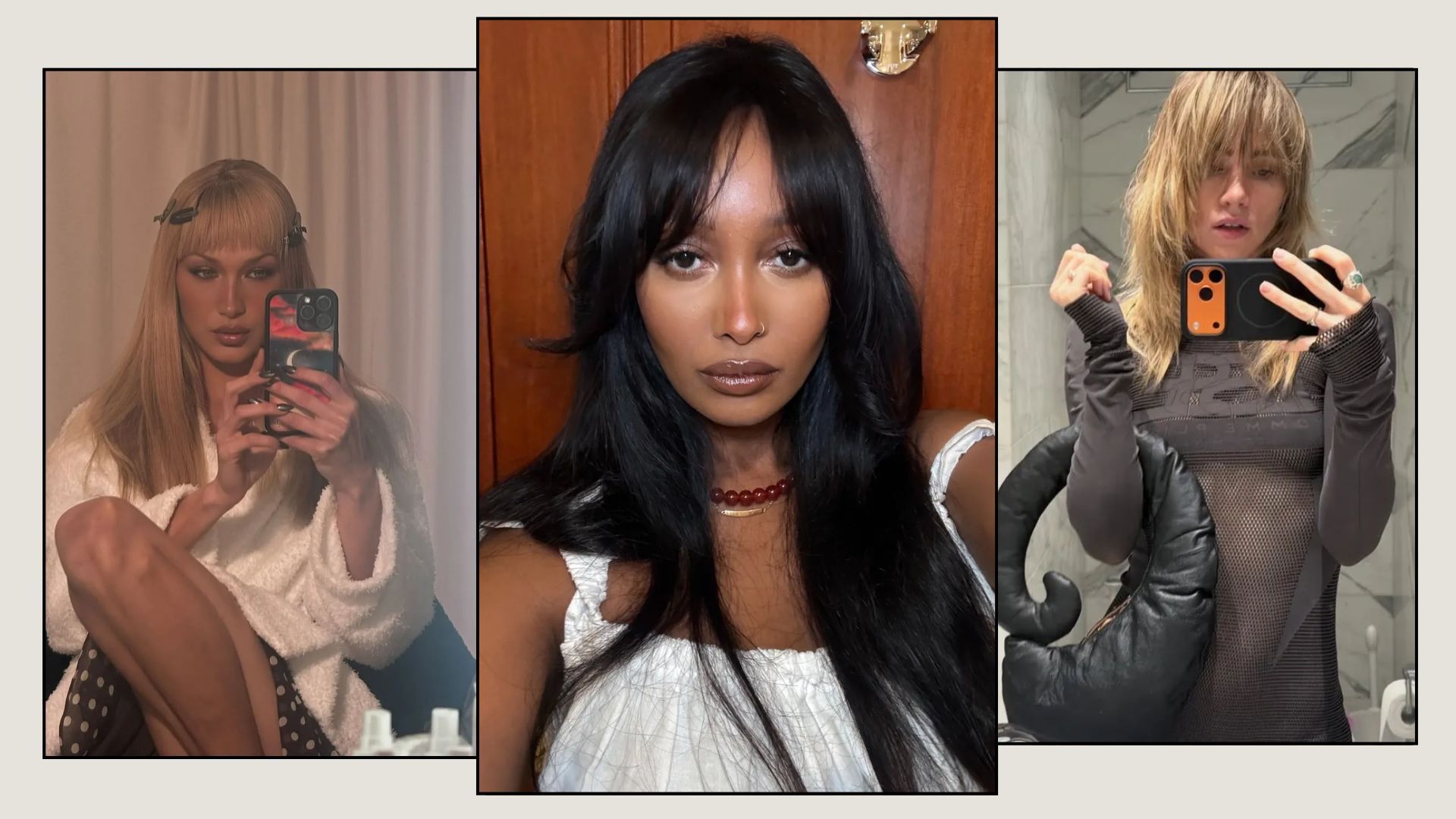
Fringes are back in the spotlight for 2026—only this time, the mood is less about one ‘it’ haircut and more about tailored, face-framing options that suit different textures, partings and maintenance levels. Stylists increasingly treat the fringe as a styling tool: it can soften strong features, balance proportions, disguise grown-out layers and refresh a cut without committing to a dramatic overall change. The result is a set of fringe trends that feel wearable, flexible and—crucially—easy to personalise in a UK salon context.
Below, we break down six fringe directions experts are backing for 2026, plus how to ask for them, how to style them at home and what to consider if you’re working with curls, coils, fine hair or a cowlick. If you’ve been fringe-curious for years, this is your practical guide to finally trying one—without regret.
1) The soft, wispy ‘barely-there’ fringe
If 2025 was about statement bangs, 2026 leans into softness. The wispy fringe sits lightly across the forehead, often made with point-cut ends and subtle graduation at the temples. It’s particularly popular for those who want the face-framing effect without the density of a blunt fringe.
Who it suits: Most face shapes, especially if you’re growing out a previous fringe or you’re nervous about bulk. Fine hair often benefits because the fringe can be kept airy rather than heavy.
What to ask your stylist: Request a “light, textured fringe with airy ends” and ask them to tailor the length to your brow line and your natural parting. In UK salons, many stylists will start slightly longer and refine after a quick dry to see how it settles.
How to style: Blow-dry side to side first to remove strong part lines, then finish forward with a small round brush or a paddle brush. If your fringe separates, a micro-mist of flexible hold hairspray on a toothbrush (lightly brushed through) can help without making it crunchy.
2) The modern bottleneck fringe (longer, more versatile)
The bottleneck fringe continues to evolve: think shorter in the centre with longer sides that blend into cheekbone-length pieces. For 2026, the update is a slightly longer centre and softer curvature—so it can be worn straight down, swept to the side, or pinned back when you’re in a rush.
Who it suits: People who want a fringe that plays nicely with updos and ponytails, and anyone who likes movement around the cheekbones. It’s also a strategic choice if you have a cowlick near the front hairline—length gives your stylist more control.
What to ask your stylist: “A bottleneck fringe that starts around the brows and opens out to the cheekbones.” Ask for a dry-cut check at the end—especially if you have waves or curls, as shrinkage can change the final length.
How to style: Use a round brush to create a gentle bend rather than a big ‘70s flip. If you’re heat-styling, keep the temperature moderate and always add heat protection—many stylists recommend this as a baseline for maintaining shine and reducing breakage over time.
3) The blunt micro-fringe (editorial, but surprisingly wearable)
Micro-fringes aren’t new, but 2026’s version feels sharper and more intentional: clean lines, minimal layering, and often paired with a sleek bob, longer lengths or even textured shags for contrast. It’s the most fashion-forward of the fringe trends—and the one that most rewards precision cutting.
Who it suits: Those who like a statement and don’t mind regular trims. It can work on straight to wavy textures, and many curl specialists can create a micro-fringe on curls too—usually with a careful dry-cut approach to respect coil pattern.
What to ask your stylist: Bring reference images and discuss your hairline and growth patterns. Ask about a maintenance schedule; micro-fringes typically need tidying more frequently than longer options.
How to style: Keep it simple: a quick blow-dry downwards, then a tiny amount of lightweight styling cream to separate the ends. Avoid overloading with oils, which can collapse the shape—especially on finer hair.
4) The curtain fringe (but cut to your natural texture)
Curtain fringes remain a staple because they’re flattering and adaptable—but the 2026 shift is towards customised density and texture. Rather than forcing every fringe into the same shape, stylists are leaning into what the hair naturally does: straighter curtain pieces with a cleaner outline, or more “undone” curtains that work with waves and curls.
Who it suits: Nearly everyone, particularly those who want the option to blend the fringe back into layers as it grows. It’s also a strong choice if you wear your hair both up and down throughout the week.
What to ask your stylist: “Curtain fringe that splits where my hair naturally parts,” plus “cheekbone-to-jaw face framing.” Mention if you regularly air-dry—your stylist can cut accordingly.
How to style: For a classic sweep, blow-dry the fringe away from the face on each side. For an air-dried look, apply your usual wave or curl product through damp hair and gently clip the fringe pieces at the root for lift while it dries.
5) The ‘grown-in’ fringe (low maintenance, high polish)
Not everyone wants a fresh-cut, obvious fringe. The grown-in fringe trend is about longer, eye-skimming pieces that look like they’ve naturally evolved from a layered cut—easy to tuck behind the ears, easy to blend, and forgiving between trims.
Who it suits: Busy schedules, commitment-phobes, and anyone who wants to test-drive fringe life before going shorter. It’s also a smart option if you’re recovering from over-thinning or breakage around the hairline; your stylist can keep the perimeter softer and avoid taking too much density.
What to ask your stylist: “Long fringe that starts at the brow and blends into the front layers.” Ask them to show you where the shortest point will sit when dry.
How to style: A side-swept blow-dry works instantly. For a more relaxed finish, use a hot brush for a gentle bend, then set with a light mist of humidity-resistant spray—particularly useful in the UK during damp winter commutes.
6) The textured, piecey fringe (shag-adjacent)
Texture remains a major story across cuts in 2026, and fringes are no exception. The textured, piecey fringe is cut with deliberate separation—often paired with shags, wolf cuts, layered mid-lengths and lived-in bobs. It’s less about perfect symmetry and more about creating movement that looks great even when it isn’t styled to death.
Who it suits: Wavy and curly hair types often love this because it embraces natural movement. Straight hair can wear it too—just ask for the right internal texture so it doesn’t sit like a solid block.
What to ask your stylist: “A textured fringe with piecey ends, designed to work with my natural wave/curl.” If you’re curly/coily, consider a curl specialist and ask for a dry cut to better judge bounce and shrinkage.
How to style: Scrunch in a light mousse or styling foam and diffuse, or air-dry and then twist tiny sections with a touch of styling cream for definition. If you’re prone to frizz, many stylists suggest finishing with a light, silicone-based serum on the ends (not the roots) to keep it glossy without flattening.
How to choose the right fringe in real life (and avoid regret)
Fringe trends are inspiring, but the best fringe is the one that works with your lifestyle. Before you commit, think about your hairline, how your hair behaves in humidity, and how often you’re realistically willing to style it.
- Check your parting and cowlicks: A strong cowlick may need a longer, more flexible fringe (like bottleneck or grown-in) rather than blunt.
- Factor in your texture: Curls and coils can absolutely wear fringes—but shrinkage matters. Ask for a curl-aware cut and a clear plan for day-two styling.
- Be honest about your mornings: If you rarely heat-style, opt for curtains, grown-in lengths or textured fringes designed for air-drying.
- Plan your trim rhythm: Micro-fringes and blunt shapes need more frequent tweaks; longer fringes buy you time between appointments.
- Bring reference pictures: Show 2–3 images and point out what you love (density, length, curve). This helps your stylist translate “vibe” into a cut.
Practical next step: Before your next appointment, take two quick selfies—one with your hair down as you naturally wear it, and one with it tied back. Bring both to your consultation so your stylist can assess face framing and hairline behaviour.
Key Takeaways
- 2026 fringe trends favour customisation: softer density, texture-aware cutting, and shapes that suit your natural parting.
- Wispy and grown-in fringes are the most low-maintenance options for day-to-day wear.
- Bottleneck and curtain fringes offer the most versatility—easy to sweep aside, style, or pin back.
- Micro-fringes make a strong statement but typically require more frequent trims and careful styling.
- Your hair texture, cowlicks, and realistic styling routine matter more than any trend—use a consultation to tailor the look.
Frequently Asked Questions
How often do fringes need trimming?
It depends on the style and how fast your hair grows. Blunt and micro-fringes usually need tidying sooner, while curtain and grown-in fringes can go longer between trims. Your stylist can recommend a schedule that fits your look and budget.
Can I have a fringe with curly or coily hair?
Yes—many curl specialists cut fringes specifically to work with curl pattern and shrinkage. A dry cut (or a curl-by-curl approach) is often used to predict the final length more accurately.
Will a fringe make my hair look thinner?
A fringe redistributes hair from the front section, so the overall effect depends on density and how it’s cut. If you have fine hair, a softer, wispy fringe can create movement without taking too much from the front hairline.
What if I hate it—how long will it take to grow out?
Growth rates vary, but longer, blended fringes (like grown-in or curtain) are generally easier to transition into face-framing layers. If you’re nervous, start longer; you can always go shorter at a follow-up.
How do I stop my fringe getting oily during the day?
Keeping heavy products away from the roots helps, as does touching the fringe less. Many people find a small amount of dry shampoo at the roots (applied sparingly) helps refresh the look between washes.
Is it worth getting a fringe cut in a salon rather than at home?
For most people, yes—especially for blunt, micro or texture-heavy shapes. A professional can account for cowlicks, shrinkage, and how your fringe will sit once it’s dry, which reduces the risk of an uneven result.
Explore More: Discover related reads from Hairporium — News • Guides • DIYs • Expert Articles.
Stay Updated: Read more UK hair industry news and innovations on Hairporium News.


More in Hair news
Gigi Hadid’s brunette switch is sparking fresh interest in blonde-to-dark transformations. We unp...
Gigi Hadid’s switch from blonde to an inky black bob is a crisp reminder that dark, short hair is...
Gigi Hadid’s bold hair transformation is setting the tone for 2026. We break down what it signals...
A Premier League incident involving hair pulling has sparked debate on discipline and safety—plus...
Amanda Seyfried’s Golden Eve hair nods to Hailey Bieber’s 2022 Grammys vibe: a deliberately undon...
A half-term Rapunzel show brings hair culture into the spotlight—plus practical, low-tension styl...
Tom Smith has opened a new luxury salon in Bloomsbury. Here’s what the launch signals for UK prem...
Vogue UK rounds up Jessie Buckley’s most unrecognisable hair moments. Here’s what makes a transfo...
A reported case alleging hidden baldness before marriage highlights the real stigma around hair l...
Zoe Saldaña’s move from long curls to a short ombré cut spotlights a bigger shift towards lived-i...
View all hair news