
When a polished hairstyle re-enters the conversation via Princess Kate, the beauty world tends to pay attention — not because it’s unattainable, but because it’s usually an elegant variation on something many of us already do. HELLO!’s recent piece spotlighted a “prima ballerina” moment in Kate’s hair history: soft curls shaped with a smooth, controlled finish that feels both formal and remarkably wearable.
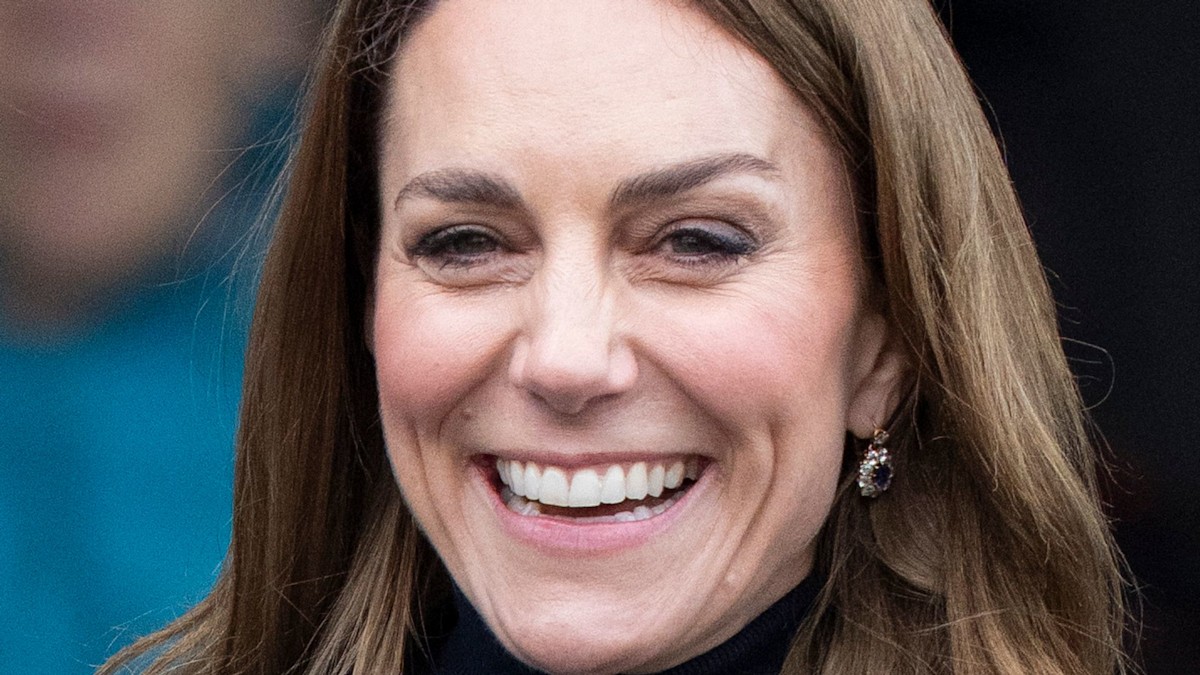
In UK salons, this kind of “ballerina” hair typically translates to gloss, symmetry, and movement — the sort of finish stylists might call brushed-out curls, soft set waves, or a classic blow-dry with shape. It’s not about stiff ringlets or a heavily lacquered look; it’s about hair that looks healthy, controlled, and camera-ready from every angle. If 2026 brings a renewed appetite for tidy, luxe hair (especially alongside minimalist beauty and sharper tailoring), this is the sort of style that fits straight in.
What makes the “prima ballerina” hairstyle — and why it suits 2026
“Ballerina” beauty is a recurring trend cycle: clean lines, refined texture, and an emphasis on good grooming. Hair-wise, that often means a smooth crown, soft curls through the lengths, and a silhouette that flatters the face without looking overworked.
Why it feels timely now:
- It photographs beautifully: brushed curls catch light and show dimension, which is why they’re a favourite for events and professional portraits.
- It complements modern wardrobe styling: think long coats, structured blazers, high-neck knits and simple dresses — hair that doesn’t compete.
- It’s adaptable across hair types: the principle is “polished movement”, whether you create it with rollers, a round brush, or a curling wand.
- It supports a healthier-hair mindset: shine and softness are central, so technique matters as much as tools.
In real terms, the next thing you can do is check your current cut and condition: this style looks best when your ends are tidy and your mid-lengths have enough density to hold shape. If it’s been a while since a trim, booking one before attempting a big blow-dry makes a noticeable difference.
How UK stylists create that soft, controlled curl
Many professionals achieve this finish by combining tension (for smoothness) with a set (for longevity). The goal is to create curls that can be brushed without frizzing into a cloud or dropping flat within the hour.
- Start with a clean foundation: product build-up can stop the hair from holding a shape. A thorough cleanse and conditioned lengths help.
- Pre-dry to 80–90%: over-soaking wet hair spends too long under heat. Pre-drying reduces thermal stress and improves control.
- Create tension at the root: a round brush blow-dry (or smoothing with a paddle brush first) gives that neat crown.
- Set the curl, then cool: whether you use hot rollers or a curling tool, leaving curls to cool in shape helps them last.
- Brush out strategically: use a wide paddle brush or soft bristle brush, starting from ends upward, to keep the finish plush rather than fluffy.
Heat styling is personal — and dependent on your hair’s condition. Many stylists recommend using the lowest effective heat, keeping tools moving, and allowing cooling time rather than repeatedly reheating the same sections for “extra hold”.
At-home styling: your step-by-step for a modern ballerina finish
You don’t need a salon appointment to get close to this look; you do need a little patience and a plan. The trick is to work in clean sections and treat cooling time as part of the styling process, not an optional extra.
- Prep: towel-dry gently and detangle. Apply a heat protectant through mid-lengths and ends.
- Rough dry: dry to nearly fully dry, directing airflow downward to reduce frizz.
- Blow-dry for shape: take medium sections with a round brush, lifting slightly at the root and smoothing through the lengths.
- Add curls: curl away from the face on the front sections for that open, “prima” framing. Pin each curl to cool or set in a roller.
- Cool and release: let hair cool completely, then release and brush out softly.
- Finish: use a tiny amount of lightweight serum or shine product on the ends. If needed, a flexible hairspray misted from a distance helps hold without crunch.
Practical tip: If your curls always disappear by lunchtime, try setting the front and crown with rollers for 10–15 minutes while you do your make-up. That one tweak often improves longevity more than piling on extra product.
Making it work for different hair textures and lengths
This style can be adapted without forcing hair into a texture it doesn’t want to be. The most convincing versions look like an elevated “best of” your natural pattern — smooth where you want shine and control, softer where you want movement.
- Fine hair: keep sections smaller, focus on setting (rollers or pinned curls), and avoid heavy oils near the roots.
- Thick hair: blow-dry in layers and allow extra cooling time. Larger-barrel tools can create a softer curl that doesn’t become too bouncy.
- Naturally wavy hair: enhance your own wave with a smoothing blow-dry on the crown and curl only the front pieces for a modern finish.
- Curly/coily hair: you can interpret “ballerina” as sleek roots with defined, glossy lengths (a twist-out, roller set, or blow-dry-and-set approach, depending on your preference and heat tolerance).
- Shorter lengths: aim for polished bend rather than full curls — think a smooth blow-dry with a gentle wave and a curved-under end.
If you’re unsure, bring a reference picture to your stylist and ask for the “finish” rather than the “celebrity”: phrases like “soft brushed curls”, “smooth crown”, and “glossy movement” are clearer than a name-based trend description.
Key Takeaways
- The “prima ballerina” look is best described as smooth roots with soft, brushed-out curls — polished, not rigid.
- For longevity, cooling time matters: pin curls or use rollers, then release only when fully cool.
- This style is more about technique than heat — tension, sectioning and controlled brushing create the finish.
- Adapt it to your texture: aim for gloss and movement rather than forcing uniform curls.
- Next step: book a trim or tidy-up if your ends feel dry — the style looks most expensive when the shape is clean.
Frequently Asked Questions
Is the “prima ballerina” hairstyle just a blow-dry?
It can start as a blow-dry, but the signature finish usually comes from adding a set — rollers or pinned curls — and then brushing out softly for a controlled wave.
How do I stop brushed-out curls from turning frizzy?
Work on smoothness first: dry hair in the direction of the cuticle, avoid over-brushing, and finish with a very small amount of lightweight serum on the ends. Let curls cool before brushing.
What tools are best for this look at home?
A round brush and hairdryer are a strong foundation, with either hot rollers or a medium-to-large barrel curling wand for the set. A wide paddle brush helps create that plush, brushed finish.
Will this style hold in typical UK weather?
Humidity can soften curls, so the key is a solid set and full cooling time. A light, flexible hold spray can help without making hair look stiff.
Is it safe to heat-style often to maintain this look?
Frequent heat can contribute to dryness or breakage for some people. Many stylists recommend limiting high-heat sessions, using heat protection, and prioritising conditioning and trims.
Can I achieve a ballerina finish without strong curl?
Yes. The modern version can be a smooth blow-dry with a gentle bend through the lengths and slightly curved ends — the “ballerina” element is polish and symmetry, not necessarily curl intensity.
Explore More: Discover related reads from Hairporium — News • Guides • DIYs • Expert Articles.
Learn More: Explore detailed haircare routines and styling tips at Hairporium Guides.


More in Hair guides
Clarifying shampoo can reset curls by lifting product and hard-water build-up, helping definition...
Courtney Stodden’s new hair colour is a timely prompt for a new-year refresh. Here’s how to descr...
A stylist-informed, no-heat air-dry routine for fine hair that builds root lift and natural waves...
Polygonum multiflorum is trending as a potential hair-loss helper. Here’s what the research may m...
Silk and satin bonnets can help protect hair from overnight friction, preserving styles and reduc...
Silk pillowcases are everywhere in beauty sleep chats. Here’s what they can realistically do for ...
Mousse, hairspray, dry shampoo and hair oil can transform hair — but only if you use them correct...
Celebrity “glossy hair” headlines are everywhere, but shine is mostly about technique and cuticle...
Dermatologist-informed guidance on how often to wash your hair, based on scalp type, texture, lif...
A discounted “Dyson dupe” hair dryer is making headlines — here’s how to judge lookalike dryers p...
View all hair guides